Mobile apps have revolutionized the way businesses engage with their customers and market their products or services. With over 5 billion smartphone users globally, mobile applications have become an essential tool for brands to reach a wider audience and increase engagement. They provide valuable consumer data that enables businesses to personalize their marketing campaigns and offer features such as push notifications, loyalty programs, and in-app purchases to boost customer loyalty. Mobile apps allow for the creation of personalized experiences by collecting data on user behavior and preferences.
They can also be used as a platform for content marketing, providing businesses with the opportunity to share information with their customers in an interactive and engaging way. This article will talk about the crucial role that is played by apps in digital marketing and user engagement.
What Are Mobile Apps?
Mobile apps are software applications that are designed and developed for use on mobile devices such as smartphones and tablets. They have become an integral part of digital marketing, as they provide an effective way for businesses to reach out and engage with potential customers. Apps for mobile are designed to provide users with a tailored experience, allowing them to interact directly with the brand or product. They can also be used to deliver content, promote products and services, analyze customer behavior, and create loyalty programs.
Benefits for Companies
Apps allow companies to engage with customers and build strong connections with them. By providing interactive product information, tracking customer data, and offering personalized experiences, companies can increase user engagement and loyalty. Apps also provide an effective platform for delivering customized offers and rewards, building trust and loyalty between the company and its customers.
Types of Apps
There are many different types of apps that have been developed for digital marketing and user engagement. Apps for mobile can be divided into two main categories: Native Apps and Web Apps.
- Native apps
They are designed to run on a specific platform, such as iOS or Android, and must be downloaded from an app store. These apps offer an optimized experience for the user, as they are tailored to the device they’re running on. They also often allow users to access features that aren’t available in web browsers, such as push notifications or offline functionality.
- Web apps
Unlike native apps, they don’t require any downloads and can be accessed via a web browser. This makes them much more accessible and easier to update than native apps, however, they often lack the same level of features or performance as native ones.
Important Aspects in Mobile App Development
- User Experience (U/X) Design
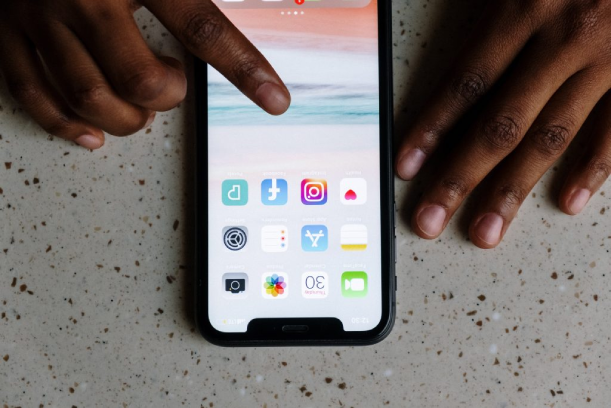
The user experience design of a mobile apps is crucial for successful digital marketing and user engagement. A positive UX leads to higher user satisfaction, increased brand loyalty, and more app usage. UX design focuses on making the app intuitive, visually appealing, and easy to navigate. Continuously improving UX design through testing, analytics, and customer feedback is important to ensure user engagement and marketing success.
- Platforms and Devices
Platforms and devices are crucial considerations in mobile app development, with different types having unique SDKs, sizes, and resolutions. Cross-platform frameworks like React Native or Xamarin are important to ensure compatibility across all platforms and devices. Apps are essential in digital marketing, allowing businesses to increase brand awareness and engage with customers directly.
- App Store Optimization
App Store Optimization (ASO) is a tool for mobile app developers to increase visibility and engagement with users. It involves optimizing the content of the app page to rank higher in relevant searches, using keywords in titles and descriptions, and analyzing user behavior to improve the app. ASO creates a positive first impression of the app by improving design, performance, and usability. Proper optimization helps the app stand out from competitors and leads to more downloads and increased revenue for the developer.
- Push Notifications
Push notifications are messages that can be sent to users’ devices, even if they are not actively using the mobile app. They can be used to increase user engagement by providing relevant content, reminders, or alerts of changes or updates to the app. It is important to keep push notifications concise and relevant, include a call-to-action, and use segmentation techniques for more personalized messages. Push notifications offer a direct channel for communicating with users on their phones and provide a valuable marketing opportunity for businesses.
- Retargeting Ads
Retargeting ads are an effective tool for digital marketers to reconnect with users who have interacted with their app or website in some way. These ads can be tailored to a user’s interests, behaviors, location, and activity. Many major ad networks offer mobile-specific retargeting options, which use mobile device data to refine targeting efforts and serve up more relevant content to users. By utilizing retargeting ads in mobile marketing strategies, companies can create highly personalized experiences for users that increase customer loyalty and drive higher conversion rates.
Strategies for Growth
Below are some strategies for the growth of apps in digital marketing and user engagement:
- Unique, engaging user experience
This will help differentiate the app from the competition. This means investing time and resources into research and development to create an interface that is intuitive and easy to use, as well as visually appealing. It is important to ensure that the app is updated regularly with new content and features that keep users coming back for more.
- Leveraging social media platforms
Companies should take advantage of these platforms by creating compelling posts which promote their product or service in an engaging manner. This can be done through visuals such as videos or images, as well as offering discounts or special offers which will entice users to download the app. Influencer marketing campaigns can be used to increase brand visibility and reach potential consumers who may not have heard of the app otherwise.
- Using analytical tools
Analytical tools are important for mobile apps digital marketing and user engagement. Employing analytics can help track key metrics such as downloads, daily active users (DAU), session length, customer lifetime value (CLV), etc., allowing companies to gain insights into how their apps are performing and adjust strategies accordingly. They provide insights into how users interact with apps, which helps marketers make informed decisions about their campaigns. By tracking user behavior and identifying popular features, businesses can optimize their marketing efforts and improve the user experience, ultimately maximizing ROI from digital marketing activities.
Mobile Apps FAQs
How do native and web apps differ?
Native apps are platform-specific and need downloads, offering optimized experiences. Web apps are accessed via browsers, more universal but with fewer features.
What are push notifications, and how important are they?
Push notifications are messages sent to devices to engage users, share updates, or offer reminders, serving as a direct marketing channel.
Do mobile apps influence offline customer experiences?
Yes, they bridge the online-offline gap, enhancing overall customer experiences and interactions with brands.
What’s crucial in mobile app development?
Prioritizing user experience (U/X) design, considering platforms/devices, and optimizing for app stores through ASO.
Conclusion
To sum up, mobile apps are an excellent means of cost-effective digital marketing that can enable businesses to engage with potential customers and increase brand loyalty. Careful planning, implementation, and investment in user engagement strategies can ensure that your app meets its goals. It is essential to keep up with new trends, have an eye for design, and tailor your app to the needs of your audience. By doing so, businesses can create effective mobile apps that drive customer loyalty and increase sales, leading to a successful digital marketing campaign. Ultimately, with patience and dedication, the benefits of launching a successful mobile apps can be reaped.
Looking to take your business to the next level? Contact us today and see how we can help you achieve your goals! Our team of experts is ready to assist you in developing a personalized plan that will drive results and improve your bottom line. Don’t wait, take action now and start seeing the benefits of a successful digital marketing strategy with Rohring Results.