Whether you’re a small business or a large corporation, effectively generating leads is essential for expanding your customer base and driving sales. This comprehensive guide will delve into the various aspects of lead generation strategies, providing actionable insights and tools to enhance your business’s marketing efforts.
Understanding Lead Generation
What is Lead Generation?
At its core, lead generation involves identifying potential customers (leads) and nurturing them into paying customers. It’s about creating interest in your products or services and guiding prospects through the sales funnel.
What is a Lead Generation Strategy?
A Lead Generation Strategy is a plan or approach for attracting and converting strangers and prospects into someone who has indicated an interest in your company’s product or service. This can include various tactics and methods like content marketing, SEO, email campaigns, and more. For businesses looking to streamline their lead generation, Rohring Results offers specialized services that effectively blend strategy with action.
Why is Lead Generation Important?
Effective lead generation strategies can significantly impact your business’s growth. They not only help in acquiring new customers but also play a crucial role in building brand awareness and establishing long-term relationships with your audience.
How Does Lead Generation Work?
Lead generation works by first attracting potential customers to your business through various means, such as social media, paid advertising, or organic search traffic. Then, you engage these prospects by offering valuable content or solutions, often in exchange for their contact information. This process is integral to building a sales pipeline, and Rohring Results excels in crafting customized approaches for diverse business needs.

Key Components of a Successful Lead Generation Strategy
Identifying Your Target Audience
Understanding your target audience is the first step in any successful lead generation strategy. This involves researching and defining the demographics, interests, and behaviors of your potential customers.
Creating Compelling Content
Content is king in the digital world. Creating valuable and engaging content that resonates with your audience is crucial for attracting and retaining their attention. This could be in the form of blog posts, videos, infographics, or webinars.
Utilizing Digital Marketing Channels
Leverage various digital marketing channels such as social media, email marketing, SEO, and pay-per-click advertising to reach and engage with your target audience effectively.
Implementing Lead Scoring and Nurturing
Lead scoring helps in prioritizing leads based on their likelihood to convert. Lead nurturing involves engaging with your leads through various stages of the buyer’s journey, providing them with relevant information and maintaining their interest.
Tools and Technologies for Lead Generation
Explore the various tools and technologies available for effective lead generation. This includes CRM systems, email marketing platforms, analytics tools, and social media management tools.
CRM Systems:
- Salesforce: A robust CRM platform for managing customer relationships and sales processes.
- HubSpot CRM: Offers a free CRM with tools for lead tracking, email integration, and more.
- Zoho CRM: Provides a comprehensive suite for managing customer relationships and sales.
Email Marketing Platforms:
- Mailchimp: A popular platform for email marketing with features for automation and audience segmentation.
- Constant Contact: Offers email marketing, social media posting, and online advertising tools.
- Sendinblue: An all-in-one marketing platform with email and SMS marketing capabilities.
Analytics Tools:
- Google Analytics: A powerful web analytics service for tracking and analyzing website traffic.
- Hotjar: Allows you to see how users interact with your website through heatmaps, session recordings, and surveys.
- Crazy Egg: Offers heatmaps, scrollmaps, and other visualizations to understand user behavior.
Social Media Management Tools:
- Hootsuite: Enables scheduling and managing social media content across various platforms.
- Buffer: A social media management tool for scheduling posts and analyzing performance.
- Sprout Social: Combines social media publishing and analytics in one platform.
Lead Generation Platforms:
- Leadfeeder: Helps identify website visitors and turn them into leads.
- Unbounce: A landing page builder designed for creating high-converting landing pages.
- OptinMonster: Offers tools for creating pop-ups, floating bars, and other lead capture forms.
Measuring and Analyzing Lead Generation Success
Key Performance Indicators (KPIs)
Understand the importance of measuring the success of your lead generation strategies. Learn about the key performance indicators (KPIs) such as conversion rates, click-through rates, and ROI to analyze and refine your strategies.
Best Practices in Lead Generation
Gain insights into the best practices for lead generation. This includes personalization, A/B testing, consistent follow-ups, and maintaining a balance between quality and quantity of leads.
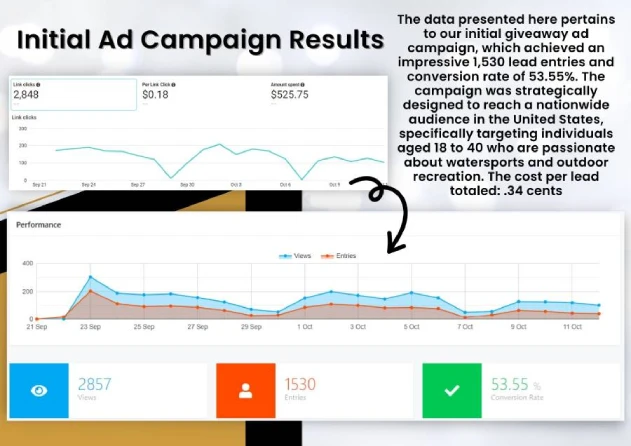
Case Studies: Successful Lead Generation Campaigns
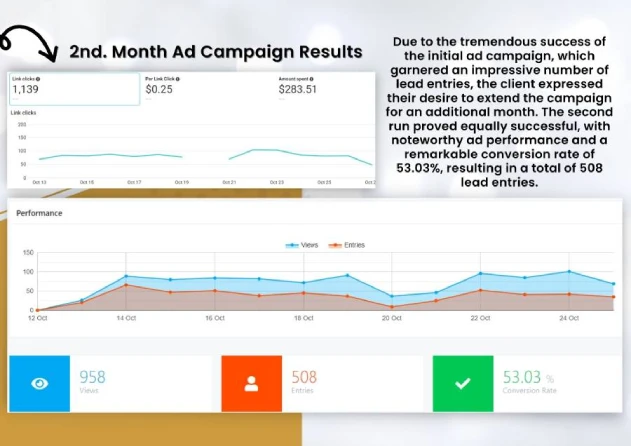
Examine real-life examples of successful lead generation campaigns. These case studies provide practical insights and inspiration for your own strategies.
Conclusion
Start your path to become an expert in lead generation by using the tactics and knowledge provided in this guide. Put these strategies into action right now to see a noticeable boost in the expansion and client acquisition of your company.
Ready to elevate your lead generation strategy? Contact us today to learn how we can help you transform your business’s marketing efforts and drive growth.
Lead Generation Strategy FAQs
Why is SEO Important for Lead Generation?
SEO is crucial for lead generation as it increases your website’s visibility in search engine results, attracting more organic traffic. High-ranking sites are more likely to be visited by potential leads. Rohring Results specializes in SEO strategies that not only improve your site’s ranking but also attract quality leads.
Can Email Marketing be Effective for Lead Generation?
Absolutely, email marketing is a powerful tool for lead generation. It allows for direct communication with prospects, personalized messaging, and nurturing leads through the sales funnel. Rohring Results provides email marketing solutions that are both engaging and conversion-focused
What’s the Importance of a Target Audience in Lead Generation?
Identifying and understanding your target audience is crucial for effective lead generation. It ensures that your marketing efforts are directed toward the right people, increasing the likelihood of conversion. At Rohring Results, we assist in pinpointing your ideal audience and crafting strategies that speak directly to their needs and interests.