Key Takeaways
- Internal linking and site structure SEO optimization are essential for guiding search engines, improving crawlability, and boosting your website’s authority.
- Contextual, descriptive, and keyword-rich internal links strengthen relevance and help target important pages effectively.
- Building a clear, hierarchical site structure improves navigation, user experience, and search engine understanding.
- Regular audits prevent orphan pages, broken links, and uneven authority distribution, ensuring your SEO remains strong.
- Using topic clusters organizes content around pillar pages, enhancing topical authority and improving rankings for related pages.
A well-organized website is not only easier for visitors to navigate, but it also helps search engines understand your content and assign authority to the right pages. Internal links create pathways that connect related content, distribute ranking power, and improve overall SEO performance. Without a clear structure, even high-quality content can remain hidden from search engines, limiting your site’s potential to rank.
In this blog post, we will explore how internal linking and site structure SEO optimization work together to strengthen your website’s authority, enhance user experience, and guide search engines through your most important pages. You will learn actionable strategies, best practices, and auditing techniques to optimize your site effectively.
Let’s begin exploring these strategies, or send us a message if you have any questions. We’re here to help!
Why Internal Linking Matters for SEO
Internal links are the pathways that connect your web pages. When search engines crawl your website, they follow these links to discover new pages and understand how your content relates to each other. A solid internal linking framework ensures:
- Better navigation for users
- More efficient crawling and indexing
- Stronger authority distribution across key pages
- Increased keyword relevance in contextual content
When done right, internal linking strengthens your entire SEO ecosystem.
How Internal Links Improve Authority Flow
Every webpage has a certain amount of ranking power—often called “link equity.” Internal links pass this authority from one page to another. If you want specific pages to rank higher (product pages, service pages, blogs), you can strategically point links to them.
Here’s how authority flow works:
- High-authority pages boost linked pages.
- Organized linking signals importance and hierarchy.
- Relevant anchor text strengthens keyword alignment.
- Deep links help revive underperforming pages.
A well-planned internal linking strategy is one of the most powerful ways to guide search engines to your priority content.
Best Practices for Internal Linking and Site Structure SEO Optimization
Strong internal linking and site structure SEO optimization help search engines understand your content, improve crawlability, and strengthen your overall SEO performance. A clear structure also guides users smoothly across pages. Here are the best practices to follow.
- Build a Logical, Hierarchical Site Structure
A clear hierarchy makes it easier for Google and users to navigate your content. Start with a strong homepage, followed by category pages, subcategories, and supporting blog posts. This structure ensures your website feels organized, predictable, and easy to crawl, improving both SEO performance and user experience at every level.
- Use Descriptive, Keyword-Rich Anchor Text
Anchor text tells Google what the linked page is about. Instead of vague phrases like “learn more,” use descriptive, keyword-rich wording relevant to the destination page. This strengthens topical signals, improves internal relevance, and helps search engines better understand how your pages connect, ultimately boosting keyword alignment and ranking potential.
- Add Internal Links Naturally Within Context
Contextual internal links placed within paragraphs carry significantly more SEO value than footer or sidebar links. They help Google understand relationships between topics and guide users to deeper content they actually need. Always insert links naturally, ensuring they enhance the flow and relevance of the surrounding text without feeling forced or distracting.
- Link to High-Value Pages Intentionally
Not every page needs equal internal link power. Prioritize linking to high-value pages such as service pages, pillar articles, and conversion-focused content. These strategic links help strengthen authority, push ranking targets upward, and ensure your most important pages receive consistent visibility and support across your site’s entire structure.
- Avoid Orphan Pages
Orphan pages receive no internal links, making them difficult for Google to find and index. Every important page should connect to your site structure through at least one contextual link. Preventing orphan pages ensures full crawlability, strengthens your SEO architecture, and allows all pages to contribute to your overall authority flow.
- Use Topic Clusters for Stronger SEO
Topic clusters organize related content around a central pillar page, creating a powerful internal linking system. Each supporting post links to the pillar, and the pillar links back, improving topical authority and relevance. This structure helps Google better understand your expertise, boosts rankings for targeted keywords, and strengthens overall site organization.
How to Audit Your Internal Links for SEO
Conducting an internal linking audit ensures your site structure supports strong SEO performance. It helps identify weaknesses, improve crawlability, and enhance authority flow across key pages. A well-executed audit strengthens overall visibility and ranking potential.
A proper audit helps reveal gaps and opportunities. Look for:
- Orphan pages
- Broken internal links
- Pages with weak internal link connections
- Over-optimized or irrelevant anchor text
- Uneven authority distribution
Tools such as Screaming Frog, Ahrefs, and Google Search Console can help you analyze how well your internal linking supports your SEO goals.
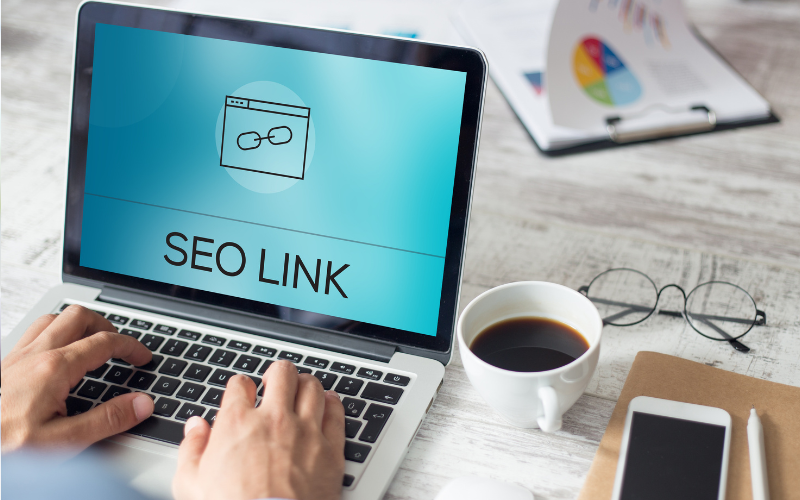
Image by cnythzl from Getty Images Signature on Canva
Frequently Asked Questions
What’s the difference between navigational and contextual internal links?
Navigational links appear in menus, sidebars, and footers to help visitors explore the main sections of your site. Contextual links live within content, guiding readers to related pages. Both support SEO, but contextual links typically carry more ranking weight because they signal relevance within your content.
Can internal linking improve indexing speed?
Yes. When important pages receive internal links from frequently crawled pages, search engine bots find and index them faster. Strong internal linking reduces crawl depth and helps Google discover new pages more efficiently, especially for larger sites with many URLs.
Should I include internal links in image elements?
Absolutely. Internal links can be applied to images and buttons as long as they lead to relevant content. Alt text should describe what the linked page offers, which improves both accessibility and contextual relevance for search engines.
How often should I review internal linking and site structure SEO optimization?
Review internal linking and site structure SEO optimization every few months or whenever major content updates occur. Regular evaluations ensure your internal pathways stay aligned with your SEO goals, maintain relevance, and continue supporting authority flow across newly added or updated pages.
How many internal links should each page have?
There’s no fixed number, but each page should include enough internal links to help users explore related content naturally. Aim to connect pages that share topics or intent. Focus on relevance and usefulness rather than hitting a specific numerical target.
Final Thoughts
Effective internal linking and site structure SEO optimization is essential for guiding search engines, improving crawlability, and boosting the authority of your most important pages. By following best practices, auditing regularly, and strategically linking high-value content, you can strengthen your website’s performance, enhance user experience, and maximize organic search potential.
If you need expert help optimizing your internal linking and overall site structure for SEO success, schedule a discovery call with Rohring Results today. Our professional SEO services will pinpoint opportunities, craft a tailored strategy, and help elevate your website’s visibility, rankings, and long‑term performance.