Welcome to the world of Search Engine Optimization (SEO)! If you’re just starting out, this beginner’s guide by Rohring Results is designed to introduce you to key concepts and effective Search Engine Optimization Techniques. Our goal is to demystify the SEO process and provide you with actionable steps to improve your website’s visibility, ensuring you grasp the essentials of these techniques from the outset.

Understanding SEO
What is SEO?
Search Engine Optimization, or SEO, is the process of optimizing your website to rank higher in search engine results pages (SERPs). This means making your site more attractive to search engines like Google. The higher your site ranks, the more visible it is to potential customers.
Keyword Research – The Starting Point
Discovering Your Keywords
Understanding and selecting the right keywords is a fundamental step in mastering Search Engine Optimization Techniques. Keywords are not just words; they are the queries and phrases your target audience uses when searching online. They serve as a bridge connecting your potential customers to your website, and the process of identifying these keywords is a cornerstone of effective SEO.
When it comes to Search Engine Optimization Techniques, identifying the right keywords is critical. These are the terms and phrases that people type into search engines. Start by thinking about the terms your potential customers might use to find your products or services. Utilizing tools like Google Keyword Planner can be invaluable in finding the most relevant and effective keywords for your SEO strategy.
Understanding User Intent
Before diving into keyword research tools, it’s crucial to understand user intent. This refers to what users are actually looking for when they type a query into a search engine. User intent can generally be categorized into three types:
Informational: Users are seeking information, like “how to tie a tie.”
Navigational: Users are trying to find a specific website or page.
Transactional: Users intend to make a purchase or engage in a transaction.
By understanding the intent behind keywords, you can tailor your content to meet the needs of your audience more effectively.
Using Keyword Research Tools
While brainstorming keywords based on your understanding of your business and customers is a great start, keyword research tools can provide valuable insights and data-driven suggestions. Google Keyword Planner is a popular choice, offering information on search volume, competition, and related queries. Here’s how to use it:
Access Google Keyword Planner: You’ll need a Google Ads account to access this tool.
Discover New Keywords: Enter words or phrases relevant to your business to get suggestions.
Analyze Keyword Metrics: Look at the search volume and competition. Ideally, you want keywords with high search volume and low to medium competition.
On-Page SEO Fundamentals
Optimizing Your Content
Once you have your keywords, it’s time to use them in your content. But remember, quality is key. Your content should be informative, engaging, and relevant. Use your chosen keywords naturally in your text, particularly in the title, headings, and first paragraph.
Localizing Your Keywords
If your business serves a particular geographic area, local keywords are crucial. Incorporate location-specific terms into your keyword strategy. For instance, instead of just “coffee shop,” use “coffee shop in Austin” if that’s where your business is located.
Keyword Organization
Once you have a list of potential keywords, organize them based on relevance, search volume, competition, and user intent. This organization will guide your content creation, ensuring that your website is optimized to attract the right audience.
In summary, keyword research is an ongoing, dynamic process that forms the foundation of your SEO strategy and is integral to effective Search Engine Optimization Techniques. This essential aspect of SEO requires a balanced mix of understanding your audience, employing the right tools, analyzing your competition, and continuously adapting to trends and changes in user behavior. By consistently refining this process, you can ensure that your SEO efforts remain aligned with the evolving landscape of search engine algorithms and user search patterns.
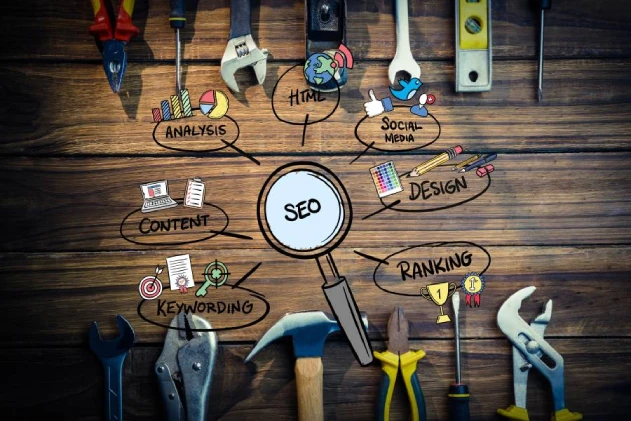
Making Your Site Accessible to Search Engines
Site Structure and Navigation
The structure of your website plays a pivotal role in how effectively search engines can crawl and index your content. A well-organized site structure and clear navigation are not just beneficial for search engine bots; they also enhance the user experience.
Essentials of a Strong Site Structure
Logical Hierarchy: Your website should have a clear and logical hierarchy. This means organizing content in a way that makes sense, usually starting from a home page, branching out to main categories, and then to subcategories or individual pages.
URL Structure: URLs are a part of the site structure too. They should be clear, concise, and descriptive, incorporating relevant keywords where possible. A URL like www.yoursite.com/services/seo-consulting is far more informative than www.yoursite.com/page1.
Internal Linking: Internal linking helps search engines understand the relationship between different pages on your site. It also allows users to navigate easily. Use descriptive anchor texts for internal links that give an idea of what the linked page is about.
Breadcrumb Navigation: Breadcrumbs are navigational aids that show users their current location in the site’s hierarchy. They are not just user-friendly but also allow search engines to understand the structure of your site better.
Creating a User-Friendly Navigation Menu
Simplicity: Keep your navigation menu simple and intuitive. A complicated menu can confuse both users and search engines.
Consistency: The navigation menu should be consistent across all pages. This stability helps users and search engines in finding information.
Descriptive Labels: Use descriptive labels in your navigation menu. Instead of generic terms like ‘Products’ or ‘Services,’ use specific labels like ‘Digital Marketing Services’ or ‘Women’s Running Shoes’.
Mobile-Friendliness
In today’s mobile-first world, ensuring your website is mobile-friendly is non-negotiable. A mobile-friendly site loads quickly and displays correctly on mobile devices, improving both user experience and search engine rankings.
With the increasing use of smartphones, mobile optimization is essential for SEO. It ensures a good user experience on mobile devices, which is a ranking factor for search engines. Rohring Results ensures your website is mobile-friendly, catering to a broader audience.
Speed Optimization
Page load time is a crucial factor for SEO and user experience. Optimize images, minify CSS and JavaScript, and leverage browser caching to speed up your website. Tools like Google’s PageSpeed Insights can give you specific recommendations to improve your site’s speed.
By enhancing your website’s structure, navigation, and overall accessibility, you not only make it easier for search engines to crawl and index your content but also provide a better experience for your visitors. This section of the blog could delve even deeper into each aspect, with practical examples and specific tips for implementation.
Conclusion
As we’ve explored throughout this guide, mastering Search Engine Optimization Techniques is essential for enhancing your online presence and driving organic traffic to your website. From the foundational step of keyword research to the nuances of on-page optimization, technical SEO, and content strategy, each element plays a vital role in crafting a successful SEO campaign.
At Rohring Results in Bradenton, we specialize in not only implementing these essential SEO techniques but also in staying at the forefront of SEO innovation. Whether you’re looking to refine your current SEO strategy or starting from scratch, our team of experts is equipped to guide you through every step of the process.
Take the first step towards transforming your online visibility. Contact Rohring Results today for a personalized SEO consultation and discover how we can help you achieve your digital marketing goals.
SEO Techniques FAQs
Can Affordable SEO Services Achieve High Rankings in Search Engines?
Yes, affordable SEO services can achieve high rankings in search engines. By focusing on best SEO practices, such as keyword research, on-page optimization, quality content creation, and building reputable backlinks, businesses can see significant improvements in their search engine rankings.
How Long Does It Take to See Results from Affordable SEO Services?
The timeframe to see results from affordable SEO services varies but typically ranges from a few months to a year. SEO is a long-term strategy, and results depend on factors like the competitiveness of your industry, the current state of your website, and the effectiveness of the SEO tactics employed.
How Do Affordable SEO Services Compare to DIY SEO?
Affordable SEO services offer expertise and resources that might not be available with DIY SEO. While DIY can be cost-effective, professional services provide strategic planning, advanced tools, and ongoing support that can lead to more significant and sustainable results.
Can Affordable SEO Services Improve Local Search Visibility?
Absolutely, affordable SEO services can significantly improve local search visibility. By optimizing for local search terms, managing local listings, and creating locally relevant content, businesses can increase their visibility in local search results.