Digital marketing relies heavily on data and using it to gain an advantage. Predictive analytics is a powerful tool that allows marketers to forecast customer behavior, and machine learning can help them make the most of it. By utilizing machine learning techniques, digital marketers can gain valuable insights into how customers will interact with their brand in the future. This article will explore how AI is revolutionizing predictive analytics in digital marketing, helping marketers stay ahead of the competition.
Definition of Predictive Analytics
Predictive analytics utilizes data, algorithms, and deep learning to forecast future outcomes, including in digital marketing. It helps companies gain insights into customer behavior to tailor their offerings and increase customer loyalty. By identifying patterns in customer data, such as purchase likelihood or churn risk, marketers can create targeted campaigns to improve engagement and conversion rates. AI is crucial in analyzing vast amounts of data quickly and accurately to inform marketing strategies and maximize ROI.
Machine Learning Overview
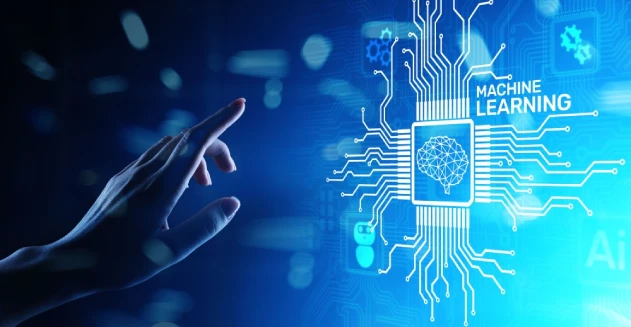
Machine intelligence is an essential part of predictive analytics in digital marketing, allowing organizations to gain insights from data and optimize their strategies. AI algorithms can be used to determine the best target audience, optimize ad placement, automate processes such as email campaigns, and create more personalized experiences. It enables organizations to quickly analyze vast amounts of data and make informed decisions in real-time. With AI, businesses can gain valuable insights into customer behavior and drive greater ROI from their digital marketing efforts.
Benefits of AI for Digital Marketing
Artificial intelligence offers a number of advantages when it comes to digital marketing.
- Analyze Large Amounts of Data
It allows marketers to efficiently process large amounts of data, identify patterns, and develop strategies that are tailored to individual customers. This enables marketers to target their campaigns more accurately, resulting in higher conversion rates and greater ROI.
- Optimized Customer Experience
AI can help provide personalized recommendations to customers based on their behavior and preferences. By understanding what customers are interested in, marketers can create marketing messages that are more relevant and engaging for their audience. Additionally, AI algorithms can be used to improve customer segmentation and better understand customer journeys across different channels and devices.
- Automated Processes
The use of AI also helps create more efficient processes for tasks such as creating content or optimizing campaigns. Automated analyses can reduce the time it takes to identify trends or opportunities in the market, allowing marketers to focus more on creative and strategic tasks that require human insight.
AI has become an invaluable tool for digital marketers who are looking to gain a competitive edge in today’s crowded marketplace. By leveraging its predictive analytics capabilities, marketers can develop smarter strategies that will drive growth and maximize ROI.
Types of Machine Intelligence Algorithms Used in Digital Marketing

Digital marketing has become increasingly reliant on artificial intelligence algorithms to improve predictive analytics. These algorithms are used to identify patterns in customer data and behaviors, which can be used to inform marketing decisions and strategies. There are several types of machine intelligence algorithms that are commonly used in digital marketing, including supervised learning, unsupervised learning, and reinforcement learning.
- Supervised Learning
The most widely used type of AI algorithm in digital marketing. This technique uses labeled training data to learn how to make predictions or classifications about new datasets. It is effective for tasks like predicting customer purchases or identifying potential customers who may be interested in a product or service.
- Unsupervised Learning
An algorithm that does not require labeled training data; instead, it looks for patterns within unlabeled data sets. This technique is often used when there is no clear understanding of what the output should look like from the data set being analyzed. Unsupervised learning can be useful for discovering new insights from customer behavior or uncovering trends in customer preferences over time.
- Reinforcement Learning
Another type of algorithm that can be used for digital marketing purposes. This approach uses rewards and punishments as feedback for modeling behavior and decision-making processes. Reinforcement learning can help optimize user interactions with websites or applications by adjusting promotions or offers based on user responses or feedback. Additionally, it can be used to model user journeys through a website, helping to identify areas where improvements could be made in the user experience.
These two types of deep learning models provide powerful tools for digital marketers looking to stay ahead of the competition and drive more revenue from their campaigns. By leveraging these technologies, businesses can create more targeted campaigns that result in higher ROI and improved customer satisfaction rates.
Challenges with for Digital Marketing
While machine intelligence algorithms offer many benefits for digital marketing, there are challenges associated with their implementation. These include a lack of technical expertise, high costs for acquiring software and hardware, and the need for up-to-date training data. As a result, some digital marketers have been slow to adopt deep learning into their strategies. However, initiatives such as working with experienced professionals and user-friendly solutions are helping to address these challenges. With access to the right technologies and resources, digital marketers can take advantage of predictive analytics powered by AI algorithms to optimize their campaigns and drive better results.
The Role of Automation in Digital Marketing Using Machine Intelligence
Machine intelligence is becoming increasingly important in digital marketing due to its ability to analyze large amounts of data and identify patterns, leading to better understanding of customer behavior and predictive analytics. Automation, powered by machine intelligence algorithms, can optimize ad campaigns, targeting strategies, and detect fraudulent activity, improving performance and reducing manual labor. Overall, deep learning helps businesses better understand their audiences and optimize their campaigns for maximum effectiveness.
Machine Learning FAQs
Can machine learning algorithms help in real-time campaign optimization?
Yes, machine learning algorithms enable real-time analysis of data, empowering marketers to make on-the-spot adjustments in ad placement, content strategies, and audience targeting for improved campaign performance.
How can businesses with limited resources leverage machine learning for digital marketing?
Businesses with limited resources can benefit from user-friendly solutions and collaborations with experienced professionals to overcome challenges associated with adopting machine learning in marketing strategies.
How does machine learning specifically enhance customer targeting in digital marketing?
Machine learning enables precise customer targeting by analyzing data patterns, identifying potential customer segments, and predicting behaviors, allowing marketers to tailor campaigns effectively.
Conclusion
In conclusion, artificial intelligence can be a powerful tool for digital marketing when used correctly. It has the potential to provide insight into customer behavior, allowing marketers to tailor their strategies and target their campaigns more effectively. However, it is important to make sure that you are using the right predictive analytics model for your goals and have an understanding of the potential risks before implementing machine learning in your digital marketing efforts. Additionally, cost-effectiveness should be taken into consideration when choosing an approach, and accuracy should always be tested to ensure reliable results.
Our team of experienced professionals at Rohring Results specializes in predictive analytics and machine learning, helping businesses across industries to optimize their campaigns and drive greater ROI. Whether you’re looking to automate your email campaigns, improve your ad targeting, or gain valuable insights into customer behavior, our experts can help you get the most out of your digital marketing initiatives. With our user-friendly solutions and cutting-edge technologies, you can rest assured that your marketing efforts are in good hands. Contact us today to learn more about how we can help you achieve your goals!